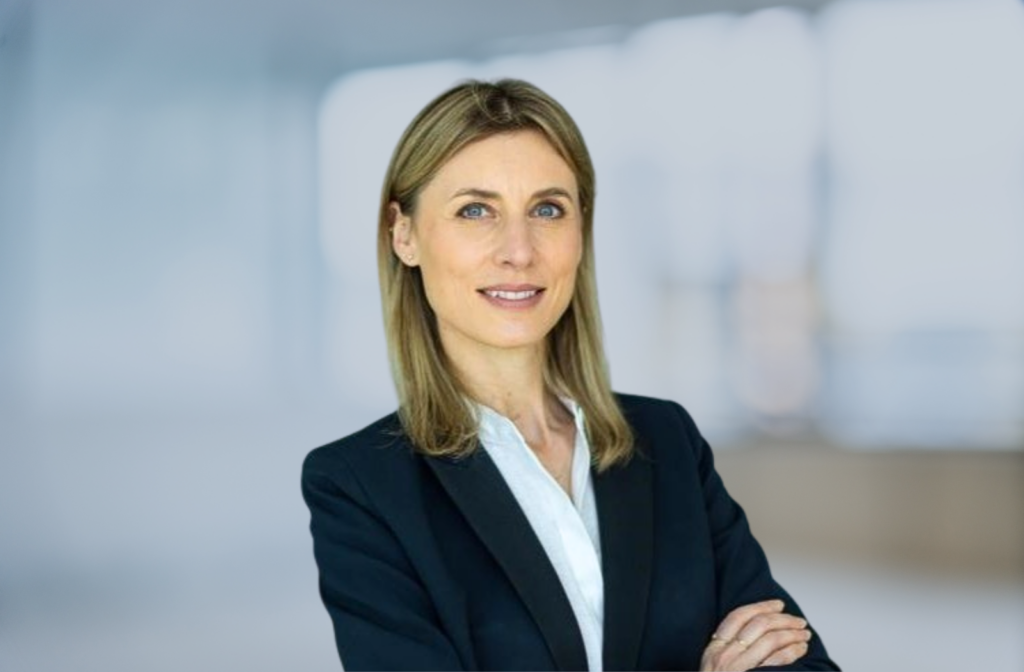
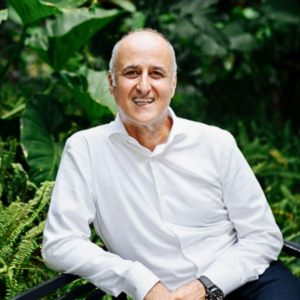
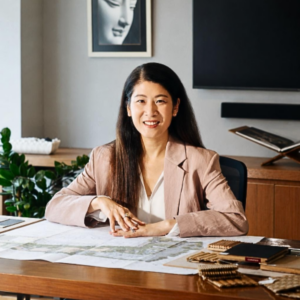
PSD’s Caroline Riley speaks with Ingo Schweder, Founder and CEO of GOCO Hospitality, and Josephine Leung, Co-Founder and Managing Partner, about what it takes to create successful wellness destinations, from initial concept and strategy through to operations and guest experience.
Please view their bios below:
Where do wellness projects tend to lose their way, between the first idea and opening?
Most often at the very beginning, long before anyone notices. Wellness is a deeply personal experience, so a successful concept needs time, depth and focus: a detailed understanding of what is missing in the market and how a new offering can fill that gap. Strategy built on proper market research and an honest assessment of the opportunity is the foundation for everything that follows.
A project loses its way when that step is rushed and wellness is treated as a checklist: treatment rooms, a sauna and steam room, a gym, perhaps a healthy menu. The assumption is that these components add up to a wellness proposition. They rarely do. The value of a wellness destination is created at the concept and master-planning stage. That is
when you decide who the guest is, how wellness shapes the architecture, the landscape and the guest flow, and how it will make money. If you leave those questions until the building is designed, wellness becomes whatever fits into the space that remains.
Even a sound concept can drift later on. Value engineering during construction is common. When budgets come under pressure, the elements that made the concept distinctive are often the first to be reduced, in favour of spaces the developer understands better or is more familiar with. A change of operator or brand mid-development can leave the original concept without anyone to own it.
And during pre-opening, programming is sometimes written by people who were never part of the concept, so the idea that shaped the building never quite reaches the guest.
What do developers most often underestimate?
That wellness is an operating business, not a facility. Spaces determine almost everything that follows: the concept, how you market it and what it costs to run. That is why wellness has to be considered from the very start, not added once the floor plans are fixed.
It also has to be part of the whole story. The wellness narrative should run through the front office, the restaurant and the rooms as much as through the spa. Guests should feel and live wellness from the moment they arrive, not only when they walk into a treatment room.
Developers also tend to underestimate how long a wellness operation takes to ramp up to its expected revenue, and how much ongoing investment it needs in people, programming and maintenance long after opening. Wellness facilities are long-term assets, but the science, technology and guest expectations around them change quickly, so the spaces need to be flexible enough to adapt. The next generation of wellness destinations will be defined not by the facilities they offer, but by the ecosystems they build around health, expertise and trust.
What has to be true operationally for wellness to feel integral rather than a menu of treatments?
Wellness has to be part of how the whole destination runs, not one department selling appointments. That means the restaurant, the activities programme, the rooms and the service all support the same idea of wellbeing, and guests experience it without having to book it.
At Glen Ivy Hot Springs, we made wellness far more participatory. Yoga, meditation, sound healing and aqua fitness became part of the wellness day rather than another service to purchase, and we reconsidered food and beverage with a much stronger emphasis on healthy, locally sourced cuisine. At Fivelements Samui, we are moving away from guests booking individual treatments towards a personalised journey, where diagnostics, practitioners, nutrition, movement and rest work together.
Commercially, the same thinking applies. Guest flow, space allocation, programming, staffing and revenue have to be planned together from the start. When they are, wellness stops being an amenity and starts strengthening the property’s positioning and profitability.
Can you share a decision that made a project stronger?
When we acquired Glen Ivy Hot Springs in 2016, it already had more than 150 years of history and generations of loyal guests. It would have been easy to keep doing what had always worked. The decision that made the difference was recognising that something can be very successful and still need to evolve. We applied the same thinking when we acquired the property that is becoming Fivelements Samui.
At Glen Ivy, we started behind the scenes rather than with the guest-facing changes. We restructured the management team and upgraded the operational foundations: HR systems, reservations, distribution and booking processes, CRM, and the hardware and software behind them. The aim was to turn the business into a more structured, clearly defined and value-adding operation. Alongside this, we created educational forums, workshops and internal communication platforms so that every colleague understood the new benchmarks and ways of working. Only then did we refresh the brand and the experience. Guests who had loved Glen Ivy for years could still recognise it, but the business underneath was far stronger.
We saw something similar at Fivelements Ubud after we took it over. The healing philosophy that made it special did not need to change, but the way the team was organised did. Restructuring the team made the property far stronger, for our colleagues and for our guests, and showed how much of a wellness experience depends on the people behind it.
Guest satisfaction was the focus throughout, at Glen Ivy and at Fivelements Ubud after we took over. In both cases, we closely examined the guest journey and how to improve each moment. In Bali, the team’s work was recognised when readers of Condé Nast Traveller UK ranked Fivelements Ubud sixth among the world’s best destination spas in 2026.
Both taught me that leadership needs technical knowledge and people know-how in equal measure: understanding the systems that make an operation work and knowing how to encourage and motivate people to bring out the best in themselves. And a concept is never finished. It must be built on a clear purpose, but be flexible enough to change when the people it serves change, whether they are guests or colleagues.
Tell us about a moment when the original concept had to change to work in practice.
The biggest change I have seen did not come from a single project. It came with COVID, which changed almost everything, from how our own office worked to how guests behaved.
Guests changed how they bought and consumed almost everything. They became far more interested in preventive wellness and much more conscious of sustainability. For wellness destinations, prevention and responsibility moved from the margins to the centre of the offer.
At GOCO, it changed how we work as a team. It became very clear how important it is for people to connect. Our team lunches, cooked by our own chef, became the place where colleagues could sit together, talk and share their worries. Later, we introduced spa days for the team. For me personally, much more of my work moved online. Instead of travelling to see every client, many conversations could happen remotely, which made the work faster and more efficient.
Who has to deliver the wellness promise, and what experience or authority do they need?
In wellness hospitality, the human experience is the product. You can build a beautiful facility and still fail the guest if the people delivering it are not empowered. Leadership, culture and values matter just as much as architecture or treatments.
That starts with structure. The wellness leader should sit on the executive committee and report to the general manager or owner, so that wellness becomes a building block of the whole operation rather than a department at the end of the corridor. During my time at Mandarin Oriental, I made this a standard. The wellness leader should also be appointed early, ideally during design and well before pre-opening, with real authority over programming, hiring and their own budget, not only the treatment menu.
That profile is rare. It takes someone who combines hospitality operations and commercial skill with credibility among practitioners and medical teams. The balance matters, because working with doctors can be challenging: they are, rightly, very factual, and the hospitality and nurturing side can be missing. The general manager also has to believe in wellness, or it will not survive the first budget review.
Above all, the people doing this work need to be sincere about wanting to improve human life and wellbeing. Therapists, healers and coaches should be central to the guest journey, and those leading them need to live the values they promote. In my own leadership, I believe in empowering talented people, setting a clear direction and giving them the trust to do what they do best.
You describe this leadership profile as rare. What needs to change in how the industry recruits and develops talent to build the next generation of wellness leaders?
The difficulty is that we still recruit from two separate pools. One is experienced therapists or practitioners who are promoted into management. They understand the guest and the treatments, but they have rarely been given the commercial tools to run a business. The other is hotel managers who are handed the spa as an extra responsibility. They know the numbers, but they don’t have the credibility with practitioners and medical teams that the role needs. Neither route on its own produces the leader I described.
So the first change is to build that bridge on purpose. Promising wellness managers should spend time in rooms, food and beverage, and finance. Hotel managers should spend time inside a wellness operation before they are expected to lead one. Education can help too: hospitality schools still teach very little about wellness, and most wellness training teaches very little about business.
The second change is to treat wellness as a route to the top. In most companies, a wellness director’s career ends where it started. When wellness leaders can realistically become general managers, the role attracts stronger people, and the industry gains general managers who genuinely believe in wellness.
The third change is how we value the people closest to the guest. Therapists, healers and coaches are often the least recognised and the most likely to leave, yet the guest experience depends on them more than on anyone else. Fair pay, continuous learning and a visible career path are what keep good people, and a good team is how future leaders are formed.
Finally, I would recruit for character first. Technical skills can be taught. Sincerity, curiosity and real care for people are much harder to train, and in wellness, they are what guests notice most.
What would you tell a developer or owner starting a wellness project today?
Be clear about your purpose before you think about facilities. A truly 360-degree, high-end wellness concept is built in a particular order. First, define the concept, what it needs to accomplish and its goals. Then understand the area: its culture, its nature and the experiences it can offer. Next comes a business plan that takes all of these sensitivities into account. Only then should you start building, and by that point every square metre should have a purpose.
Understand what you can do exceptionally well, avoid introducing something simply because it is fashionable or because a competitor has it, and make sure every part of the guest journey supports the promise. Authenticity does not necessarily cost more, but it does require conviction. Guests quickly recognise whether something was created with genuine purpose or added because it was trending.
And measure success over the right timeframe. The true measure of a wellness experience is not how somebody feels when they check out. It is what they are still doing differently three months later. The same applies to the business: the projects that succeed are the ones still relevant years after opening.
Our thanks to Ingo and Josephine for sharing their time, experience and perspectives in this interview, and to Anna Dickinson and Kath Kay at Indigo8 for their support in bringing this conversation together.
If you are considering senior leadership talent within the wellness and hospitality sector, or would like to gain a clearer view of the global talent market, please get in touch with Caroline Riley to discuss your requirements.